Cold Blood Dino Hunting How to Hunt Gallimimus
Master lead shots and herd tracking on the beginner prey that teaches every later hunt.
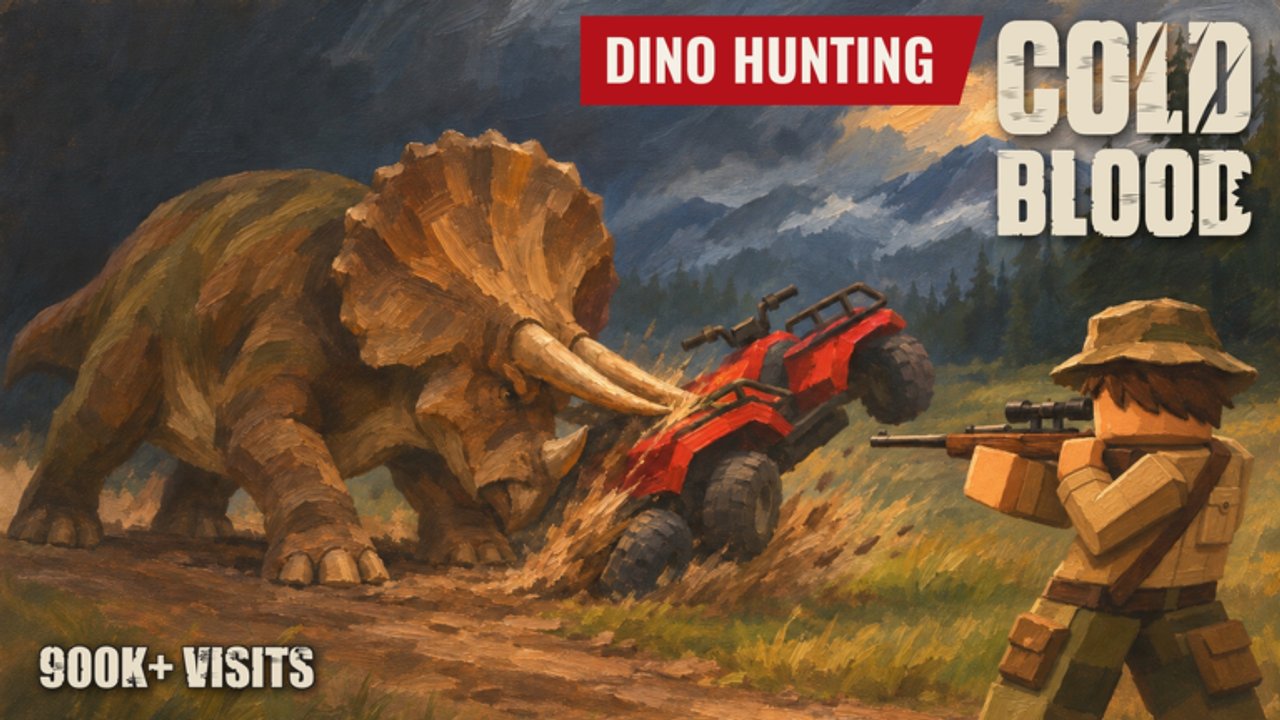
Gallimimus is the classroom animal of Cold Blood Dino Hunting. Among the seventeen dinosaur species, it sits at the fast, nervous end of the herd spectrum: light frames, sudden sprints, and enough speed to punish hipfire. If you skip Gallimimus and jump straight toward Tyrannosaurus, you miss the tracking habits that keep apex hunts from becoming wipes. This guide turns Hollow practice into a repeatable drill so every later reserve feels easier.
Why Gallimimus first
Cold Blood rewards clean individual harvests. Gallimimus herds teach you to:
- Pick one animal instead of spraying the group.
- Lead moving targets with drop and energy in mind.
- Follow footprints and blood without mixing trails.
- Relocate after a loud shot before predators investigate.
Those four habits transfer to every species on the dinosaurs tier list. Gallimimus is not “filler XP”—it is the cheapest way to fail safely while you still use Trainee gear.
Best reserve: Kettle Hollow
Start in Kettle Hollow. Sightlines are forgiving, fog is lighter than Blackwater Fen, and investigators are less punishing than Ashfall Caldera. Glass from a low ridge, watch the herd feed, and mark the peripheral animal that drifts farthest from the pack. Peripheral picks create shorter chases and cleaner trails.
If Hollow feels empty after a patch, rotate once through Fen edges, then return. Do not “practice” Gallimimus in Caldera ash until your lead timing is automatic.
Loadout for learners
| Slot | Recommendation |
|---|---|
| Primary | Mid-tier rifle you can hold steady |
| Secondary | Longbow or crossbow for silent follow-ups |
| Ammo | Full stack—misses teach more than empty mags |
| Buffs | Optional cash/XP from codes |
Read the weapons guide so you understand drop before you blame the animal. Gallimimus forgives one bad miss; a second panic spray usually ruins the trail.
Lead shots explained
Gallimimus rarely stands still for a postcard vital. Aim slightly ahead of the chest along the sprint line, hold for a breath, and fire once. If the animal jukes, do not empty the magazine—reacquire, lead again, fire once. The controls page covers aim hold and mobile HUD quirks; practice those here before Mesa wind fights.
Shot placement still matters. A clean lung or heart lead drops faster than a lucky hip spray into the haunch. Cleaner drops mean shorter blood trails and fewer predator third-parties.
Tracking after the hit
- Mark the hit direction mentally.
- Move to the last clear footprint, not the loudest bush.
- Follow blood color and disturbed ground until recovery.
- Claim the trophy, then relocate—gunshots still draw investigators.
If you lose the trail, stop sprinting circles. Reset to the last print and widen a cone search the way hunting tips describe. Mixing two Gallimimus trails is the classic beginner fail that later ruins rare-color stalks.
Herd psychology
Shooting the most alert sentry scatters everything. Wait for a feeder on the edge. If the herd bolts, do not chase blindly into brush where a larger predator might be investigating the same gunshot. Abort, reset on the ridge, and pick a new peripheral animal. Patience scores higher than drama.
Day, dusk, and night on Gallimimus
Daytime Hollow is ideal for learning lead timing because you can see feet and dust. Dusk moves herds and adds audio cues. Night makes Gallimimus harder but teaches bow value—pair this guide with night and weather once daytime leads feel consistent. Do not start night Gallimimus drills until you can recover a daytime trail without panic.
Permit synergy
Even Trainee ranks benefit from Gallimimus volume: easy challenges, clean-shot practice, and low wipe risk. Climb senses through permits while these hunts stay cheap. When Primeval tasks ask for harder species, your lead timing will already be muscle memory.
Common failures
- Hipfiring the whole herd “for XP.”
- Ignoring wind and approaching downwind.
- Celebrating with extra shots that summon investigators.
- Jumping to T-Rex after two lucky Hollow kills—see How to hunt Tyrannosaurus only after consistent Gallimimus recoveries.
- Trusting unverified ESP instead of learning prints—skim Scripts so you know what overlays hide.
Fifteen-minute Gallimimus drill
- Redeem any active codes.
- Enter Hollow with a full magazine.
- Glass one herd; pick one peripheral animal.
- Upwind stalk; single lead shot.
- Full blood recovery; relocate after claim.
- Repeat twice more without changing reserves.
Three clean recoveries beat one lucky spray. Log which rifle felt honest and keep that kit for Fen practice next session.
When to graduate
Graduate when you can:
- Lead a sprinting Gallimimus without panic mags.
- Recover trails after partial hits.
- Relocate before predators arrive.
- Explain wind to a duo partner using Players etiquette.
Then move into mid-tier species, tranquilizer practice on tranquilizer and rare colors, and eventually apex prep. Gallimimus stays useful forever as a warm-up—Primeval hunters still run Hollow leads before Caldera nights.
Related pages
Frequently Asked Questions
Quick answers for Cold Blood Dino Hunting hunters.
Is Gallimimus only for beginners?
It is the best beginner teacher, but veterans still use Hollow Gallimimus hunts as warm-ups before apex content.
Should I use a bow on Gallimimus?
Rifles teach lead timing fastest by day. Bows shine at dusk or night when silence matters more than speed.
Where should I practice Gallimimus?
Kettle Hollow first. Move to other reserves only after you can recover daytime trails cleanly.
How does Gallimimus help with Tyrannosaurus later?
It builds lead shots, single-trail discipline, and post-shot relocation—the same habits apex hunts demand under more pressure.